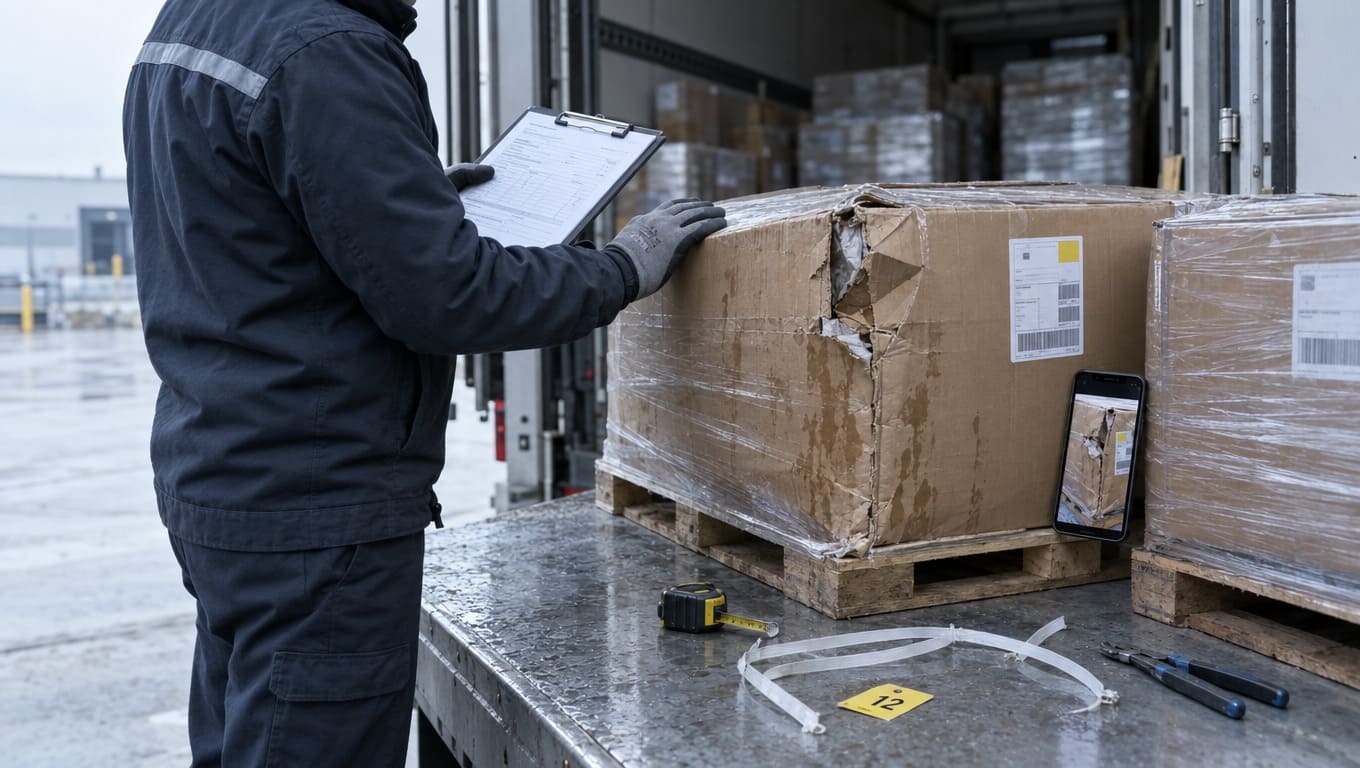
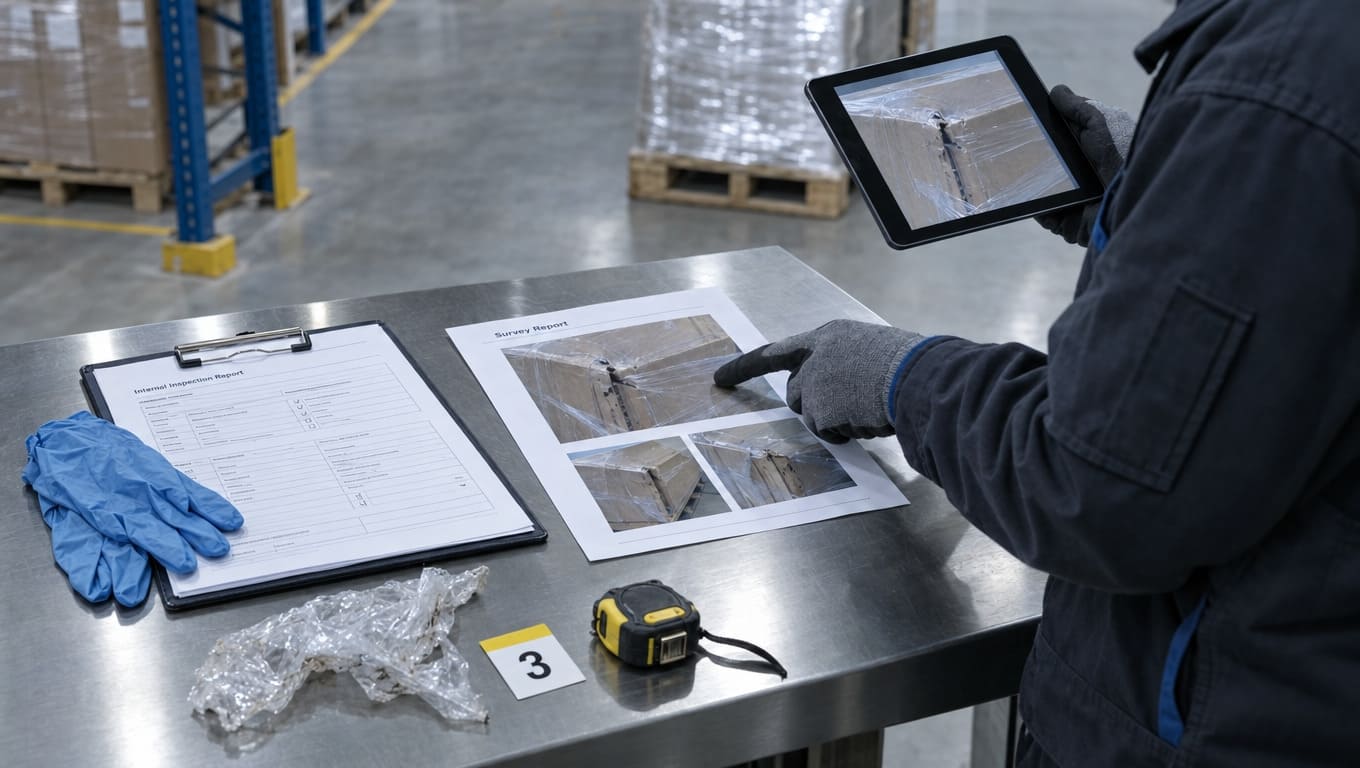
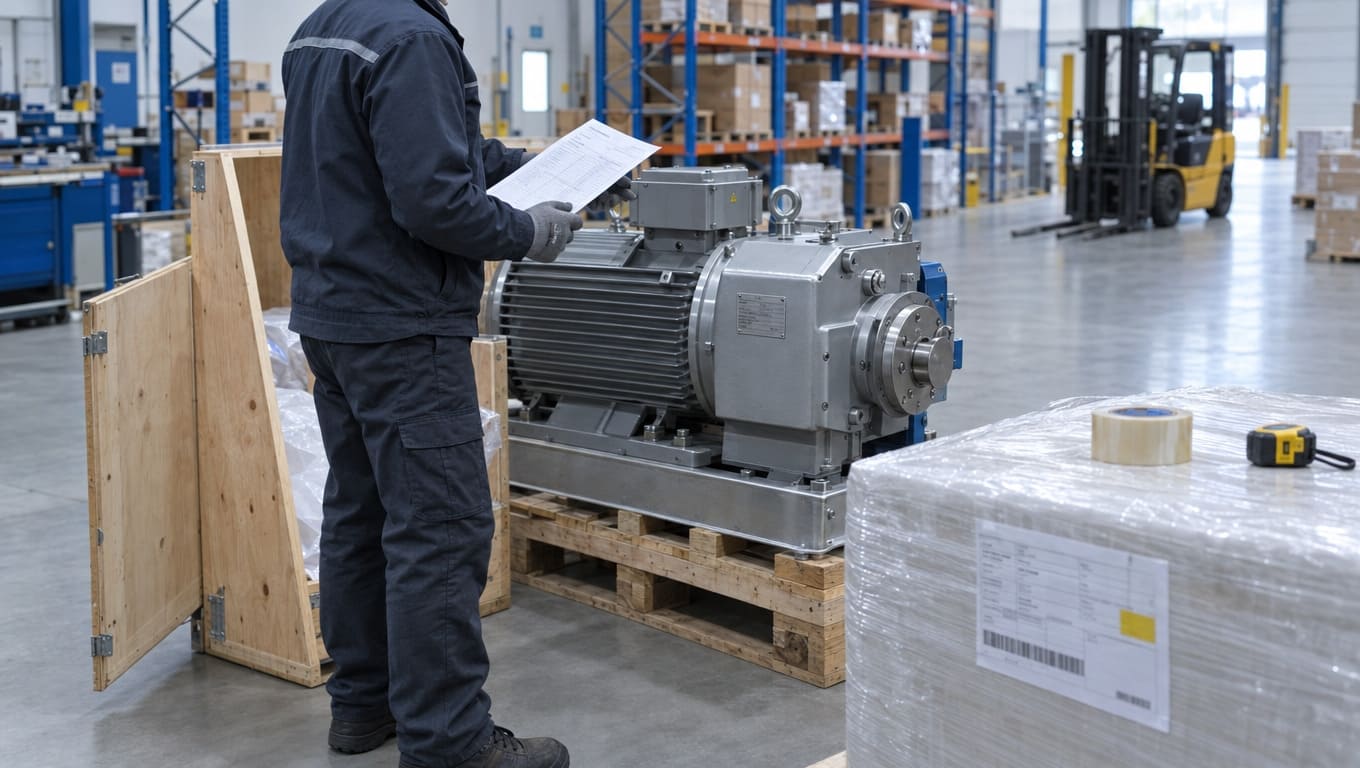
When it comes to cargo quality control, attention is usually focused on the laboratory. The client wants to get an accurate analysis, see the indicators in the report, and understand whether the batch meets the contractual requirements. However, between the cargo in the warehouse and the numbers in the laboratory report, there is one fundamental stage that is often forgotten – sampling.
Exactly here an error can occur that can affect the entire subsequent conclusion. A laboratory may use working equipment, qualified analysis methods, and strictly follow the established procedure, but investigate a sample that does not reflect the actual condition of the batch. As a result, a technically flawless analysis can lead to a practically useless or even erroneous decision.
The problem becomes particularly serious with large batches, heterogeneous cargoes, international shipments, and claim situations. A few grams or liters transferred to the laboratory must somehow represent thousands of tons, dozens of containers, or hundreds of packaging units. Therefore, sampling is not an auxiliary operation, but an independent professional procedure on which the reliability of control directly depends.
What is sampling during cargo inspection
Sampling represents obtaining a certain amount of material from a batch for subsequent investigation of its characteristics. Depending on the type of cargo, the analysis may concern chemical composition, humidity, physical properties, contamination, presence of foreign impurities, granulometry, mechanical characteristics, and other parameters. The specific procedure is determined by the nature of the product, the purpose of the check, and the requirements of applicable standards, specifications, or contract terms.
The main difficulty lies in the fact that investigating the entire batch is in most cases impossible or economically impractical. Therefore, a specialist must obtain a small amount of material that reflects the condition of the controlled object with the highest possible reliability. This is the principle of representativeness.
A sample by itself is not a “reduced copy” of the entire batch in the literal sense. It represents the batch only if the sampling point was correctly selected, the necessary scheme was followed, contamination was prevented, and the material properties were preserved until the moment of analysis. If even one of these elements is violated, the link between the sample and the initial cargo may turn out to be weak. Therefore, professional sampling does not begin from the moment the inspector takes the sampler in their hands. It begins with determining the control task, batch characteristics, and requirements for future analysis.
Why the representativeness of a sample is more important than its size
Intuitively, it may seem that the larger the sample, the higher the accuracy of the result. In practice, this is far from always the case. If ten kilograms of material are taken from one area of a large batch, and this area accidentally differs from the rest, an increased sample volume will not make it representative.
Imagine a warehouse with a large batch of bulk raw materials. In the top layer, the material is dry and uniform, while closer to the bottom, moisture has accumulated due to storage conditions. If the inspector takes a large sample only from the top, the laboratory will honestly determine the humidity of exactly this sample. But applying the obtained indicator to the entire batch would be wrong. Professional approach implies not just obtaining a sufficient amount of material, but a well-thought-out sampling system. It is necessary to consider cargo location, possible heterogeneity, storage conditions, and product characteristics. Sometimes several spot samples from different places provide a much more objective picture of the batch than a single large sample.
Representativeness is especially important when the investigated indicator is distributed unevenly throughout the batch. This can be humidity, impurity content, particle size, concentration of a specific component, or another parameter capable of changing from one area to another.
When it is necessary to take samples during inspection
Not every survey requires laboratory investigation. If the task consists solely in a visual check of quantity, packaging condition, or the presence of obvious mechanical damage, a separate sampling may not be required. But as soon as the properties of the material itself become the subject of control, it is often impossible to get an objective answer without a properly organized procedure.
Sampling is especially relevant when there is a question between the parties about the goods’ compliance with the specification. An analysis can confirm or refute an assumption of non-compliance, however, its result makes sense only provided that the investigated sample truly represents the disputed batch.
At the same time, it is important to determine in advance exactly which indicator needs to be confirmed. There is no point in taking a sample “just in case” without understanding what investigations will be conducted and what conditions are necessary to preserve the respective characteristics.
In practice, the need for sampling can arise in the following situations:
- checking product compliance with contract terms or technical specifications;
- confirming declared physicochemical characteristics;
- investigating presumed contamination;
- assessing raw material quality prior to production use;
- checking a batch after discovering damage or property changes;
- product control when a claim arises between supplier and buyer;
- obtaining samples for independent laboratory testing;
- documenting the batch condition before further transportation or processing.
In all these cases, the purpose of sampling must be formulated before the procedure begins. The number of samples, points of their collection, combining method, packaging, and further logistics depend on this.
What needs to be determined before starting sampling
Good sampling starts with questions, not with equipment. An inspector needs to understand what the batch is, where it is located, how it is formed, and what characteristics should be checked. It is impossible to correctly develop a procedure if it is unknown what exactly must be proven by the analysis results.
Determining the batch boundaries is of particular importance. If several cargo items are combined into a single commercial delivery, this does not mean they are automatically a homogeneous object for sampling. Different production dates, suppliers, raw material batches, or storage conditions can matter for building a control scheme.
It is also necessary to determine what requirements apply to the investigation. In some cases, the methodology is directly stipulated by a standard or technical specifications, in others it must be agreed upon between the parties before the inspection begins. If this is not done in advance, the obtained results may turn out to be difficult to compare.
Before sampling, it is necessary to establish:
- identification and boundaries of the controlled batch;
- purpose of the laboratory investigation;
- list of indicators required to be determined;
- applied sampling and analysis methodology;
- required number of samples;
- requirements for tare and storage conditions;
- marking and documentation procedure;
- procedure participants and sample transfer process.
Such preliminary preparation allows avoiding a situation where samples are already collected, and then it turns out that they are insufficient for the intended investigations or they were packaged inappropriately.
Where samples are taken from: points and sampling scheme
Choosing a sampling point is one of the most important elements of the entire procedure. This is exactly where it is determined which part of the batch the sample will represent. If the choice is made solely for convenience, the result can turn out to be biased even before the sample gets to the laboratory.
An approach where an inspector takes material only from the closest or visually accessible place is especially risky. Convenience is not a criterion of representativeness. For example, the top layer of a bag, the first opened pallet, or the edge of a stack can significantly differ from other parts of the batch.
A sampling scheme must account for the cargo’s physical structure. For bulk materials, different depths and mass areas may matter, for liquids – different tank levels, for piece goods – distribution of packaging units across the batch.
Depending on the situation, a specialist may consider:
- top, middle, and bottom cargo zones;
- central and peripheral areas;
- different packaging units;
- various levels or sections of a transport tank;
- individual production batches;
- zones with potentially differing storage conditions.
It is important that a specific scheme should not be assigned mechanically on the principle of “always taking the same number of samples”. It must correspond to the purpose of inspection, product characteristics, and applicable methodology. This is precisely why professional sampling requires not only accuracy but also an understanding of the investigated material’s nature.
Sampling from bulk cargoes
Bulk cargoes particularly clearly demonstrate the problem of representativeness. During movement, particles of different sizes and densities can separate, heavier components settle, and lighter ones move to other zones. As a result, the material composition at different points of the same batch can differ.
Moisture creates additional complexity. If part of the cargo was exposed to water, the high humidity zone can be localized. At the same time, the surface of the batch may look perfectly normal, while changes are found deeper.
Therefore, when sampling bulk cargo, it is important to consider not only horizontal distribution, but also depth. If samples are collected exclusively from the surface, they may not reflect the batch’s internal condition.
When examining such cargoes, it is also necessary to understand the difference between a spot sample and a composite sample. A spot sample shows the condition of a specific zone, whereas combining several samples can be used to obtain a more general characteristic. However, material can be mixed only when it corresponds to the purpose of the analysis and the applied methodology.
Special attention needs to be paid to material safety and integrity. Some bulk cargoes can be dusty, react with the environment, or require special tare. In such cases, the sampling procedure must consider not only representativeness, but also the safety of the inspector, surrounding workers, and the sample itself.
Sampling from liquid cargoes
Liquid visually appears homogeneous, but this impression can be deceptive. Depending on component density, temperature, storage time, and movement conditions, various zones can form in the tank. Sediment can concentrate in the lower part, and some components can distribute differently.
Therefore, before sampling, it is necessary to determine whether a specific material allows mixing and by what method it can be performed. Sometimes mixing is necessary to obtain a general characteristic, and sometimes it will destroy important information about the actual condition of the cargo.
The location of the sampling point also matters. A sample from the upper part of the tank may not correspond to the material in the lower zone. If the task is to investigate a specific layer or detect stratification, mixing different levels will not only be useless but also capable of hiding the problem.
When working with liquids, tare is also especially important. It must be compatible with the material and not alter its properties. Foreign substances, water, or residues of previous samples must not be allowed to enter.
Sampling of piece and packaged products
When cargo consists of bags, boxes, barrels, pallets, or other individual units, another question arises: which exact items should be selected for sampling? The simplest, but far from always correct, option is to take the first few packages that are at hand.
If the selection does not reflect the distribution of the entire batch, the probability of error increases. This is especially true for products that come from multiple production series or could have been stored in different conditions. Visually identical boxes can simultaneously contain material with differing characteristics.
When inspecting packaged products, it is also necessary to record the sample’s link to a specific cargo unit. This allows subsequently establishing the sample’s origin and comparing the laboratory result with the actual location of the goods.
If a local defect is discovered, it cannot automatically be considered a characteristic of the entire batch. Conversely, sometimes it is exactly the comparison of damaged and undamaged zones that allows establishing the scale of the problem and understanding whether it is systemic.
Tools and equipment for sampling
Sampling equipment is often perceived as a purely technical detail. In fact, the tool is capable of directly affecting the sample’s quality. Unsuitable material, a contaminated surface, residues of previous cargo, or an incorrect sampler design can alter the properties of the investigated material.
The tool must match the cargo type and working conditions. Probes are used for some materials, and special devices for liquids or bulk products for others. In some cases, the ability to obtain material from a certain depth without mixing it with other layers is critically important.
Before starting work, it is necessary to ensure that the equipment is clean and suitable for the specific procedure. If a tool is used sequentially for different samples, the possibility of material transfer from one sample to another must be excluded.
Depending on the cargo type and methodology, the following can be used:
- sampling probes and probes;
- specialized liquid sampling devices;
- clean sealed containers;
- disposable consumables;
- bags and containers for individual samples;
- marking tools;
- means for monitoring storage and transportation conditions.
The choice of specific equipment is determined not by the inspector’s convenience, but by the requirements for the material and subsequent analysis. Sometimes the wrong tool can introduce more distortions into a sample than the sampling procedure itself.
How many samples need to be taken
A universal number of samples suitable for any cargo does not exist. Five samples may be sufficient for one small homogeneous batch and completely insufficient for another, significantly larger or heterogeneous one. The quantity is determined by the control task and characteristics of the specific object.
The choice of scheme is affected by batch size, packaging shape, physical properties of the goods, and presumed degree of heterogeneity. If a batch consists of several distinct production series, each may require a separate approach.
The requirements of the relevant standard or contract are also important. If the parties have agreed on a certain methodology in advance, it must be followed, since it is exactly what determines the criteria for sampling sufficiency.
You cannot compensate for an incorrect scheme with a large amount of material. A hundred samples taken from a single unsuitable area will still not become representative of the entire batch. This is the fundamental difference between professional sampling and the formal collection of a large number of samples.
What happens to a sample after collection
After a sample is separated from the batch, its condition can still change. Some materials are sensitive to temperature, humidity, light, contact with air, or other factors. If storage conditions are violated, the laboratory will no longer receive the material that was originally sampled.
For example, an open tare can lead to a change in humidity. Exposure to high temperatures can affect the properties of some products. A loosely closed container can become a source of evaporation or contamination.
Therefore, sample transportation is a continuation of the sampling procedure. It is necessary to understand the requirements of a specific analysis and ensure appropriate conditions up to the moment of investigation.
The sample must be properly packaged, labeled, and protected from external impact. If a special temperature regime is required, it must be maintained all the way to the laboratory, and not just at the warehouse.
What sampling mistakes occur most often
Mistakes at this stage rarely look dramatic. An inspector might simply take a sample from a convenient place, fail to note the exact position, or use unsuitable tare. At the time of the procedure, such actions may seem insignificant, but they are exactly what can later bring the entire result into question.
A separate problem arises when the parties have not agreed on a methodology in advance. The sender expects one approach, the consignee expects another, and the laboratory receives a sample that cannot be unambiguously compared with the contract terms. As a result, a technical dispute also turns into a dispute over the control procedure itself.
Mistakes that cannot be fixed retroactively are the most dangerous. If material has already been mixed, contaminated, or incorrectly selected, repeating the initial procedure several days later may be impossible. The batch could be processed, moved, or completely sold.
In practice, special attention should be paid to the following situations:
- sampling only from a visually convenient zone;
- insufficient number of sampling points;
- lack of an agreed scheme;
- using contaminated equipment;
- mixing samples without a technical basis;
- incorrect or incomplete labeling;
- storing a sample in inappropriate conditions;
- lack of documented transfer to the laboratory.
These mistakes are dangerous because their consequences often become obvious only after obtaining a disputed result. Until then, the procedure may look completely ordinary.
Why an unrepresentative sample is dangerous
Suppose a laboratory investigates a sample with a high content of a specific component. A laboratory specialist conducts the analysis correctly and issues a reliable result. But if the sample was taken from a local zone that does not represent the entire batch, this result cannot automatically be extended to the entire cargo.
The reverse situation is no less problematic. If an inspector accidentally selected an area with good characteristics, the laboratory will confirm the sample’s compliance with requirements. The batch may simultaneously contain a significant portion of products that do not meet the requirements.
A chain emerges where each subsequent operation is formally performed correctly, but the initial error makes the overall conclusion unreliable. That is precisely why the quality of a laboratory analysis and the quality of sampling cannot be considered independently.
The consequences can be not only technical. If a batch is mistakenly deemed compliant, a company may receive production defects, customer complaints, or additional costs. If a quality cargo is mistakenly deemed non-compliant, a risk of unjustified supply rejection and financial losses arises.
The role of an independent inspector during sampling
An independent inspector is needed not only to physically take the material. Their task is to organize and document the procedure in such a way that the obtained samples can be linked to a specific batch and the circumstances of its inspection.
This is especially important for companies that purchase goods abroad. A buyer’s representative can far from always be present at the supplier’s site, control loading, and independently check every part of the batch. An independent inspector becomes a professional representative of the client’s interests directly on site.
At the same time, the value of independence lies not in confirming the position of one of the parties. On the contrary, the task is to document the actual condition and follow the agreed procedure without a predetermined result.
For the client, this means an opportunity to get not only a laboratory number, but also context: where the sample was taken, how the procedure was conducted, in what condition the cargo was, and what circumstances accompanied the inspection.
If you need to conduct an independent cargo inspection, organize or monitor sampling, document the batch condition prior to shipment, or obtain an objective evidence base in a quality dispute, LVS Global is ready to help organize the appropriate inspection control. The approach and scope of work can be determined considering the cargo type, purpose of research, transportation conditions, and client requirements.