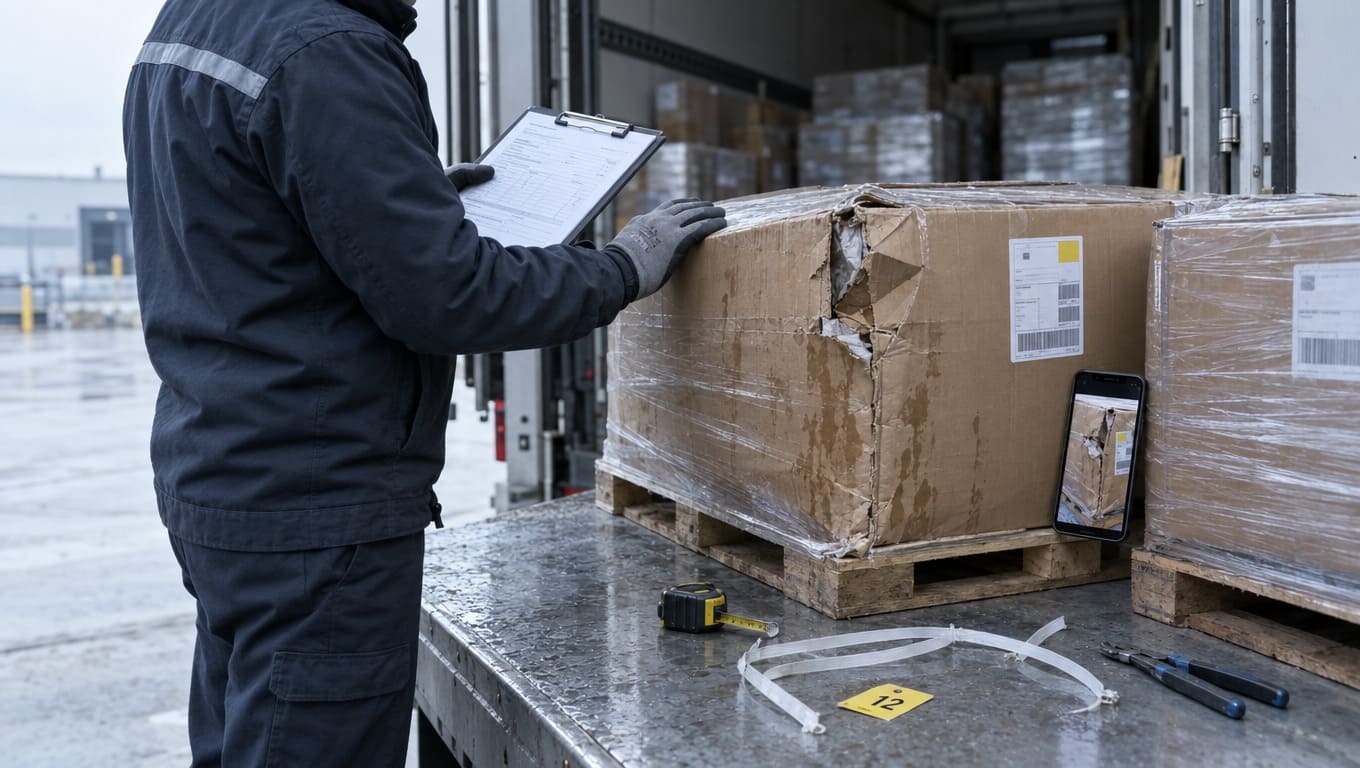
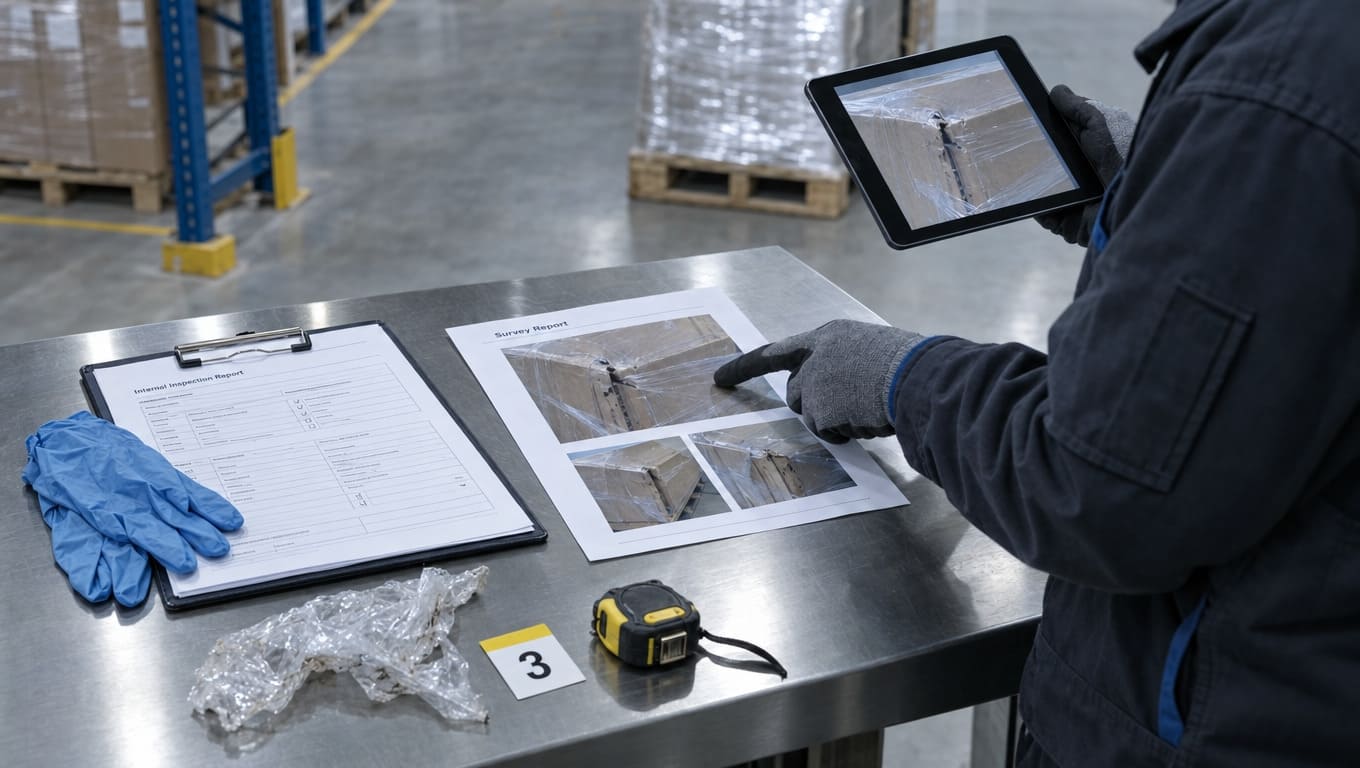
Pre-shipment inspection (PSI) is a detailed check of a goods batch before its shipment to an overseas buyer. It is conducted by an independent inspection company and covers quality control, quantity, packaging, marking, and compliance with contract terms. The main purpose of the inspection is to protect the buyer’s interests. It is especially important in situations where:
- products are made to order: an identical unit cannot be obtained quickly;
- shipment is made without prepayment – the buyer wants to verify compliance with specifications before payment or partial payment;
- the supplier is working with the client for the first time or the country of origin is from a “risk group”;
- certification in the import country is required – errors in marking and composition can lead to refusal;
- a bank requires a third-party report under a letter of credit before transferring funds;
- logistics are complex or costly – for instance, container shipment by sea: returns are expensive, and the cargo may lose its consumer properties.
So, it’s not just a formal check. PSI is a tool for control, transparency, and guarantee of contract term fulfillment. It is especially valuable in international trade, where the physical presence of the customer is impossible or inconvenient. Such an audit helps eliminate misunderstandings early “on the shore,” before the goods cross the border or are loaded onto a vessel.
What Tasks Does Pre-shipment Inspection Solve?
Pre-shipment inspection solves several key tasks simultaneously. Depending on the specification and client request, different parameters may be in focus, but the main ones remain constant:
- Compliance of shipment volume: verification of the actual quantity of goods units, weight, and configuration against the invoice and packing list.
- Product quality: random check of appearance, full completeness, operational parameters, testing (if applicable).
- Marking: application of mandatory signs, compliance with importer country standards, presence of barcodes, instructions, and warning stickers.
- Packaging: strength, compliance with GOST/ISO or national requirements, moisture protection, impact protection.
- Loading: control of stowage inside the container, even weight distribution, prevention of falls and friction.
- Sealing: recording the seal number, photographic fixation, integrity.
Typical situations where conducting PSI is critically important:
- First contract with a new supplier. Without history, without guarantees – inspection helps avoid outright defects, substitutions, or incomplete shipments. Especially important for manufacturing according to individual specifications.
- Disputed or non-standard product categories. For example, specialized medical equipment, complex units for industrial machines, non-standard size furniture – where a failure in one parameter renders the entire product unusable.
- Shipment “under a letter of credit”. Banks often require confirmation from an independent party that the shipment terms have been met. Without PSI, the fund transfer can “stall”.
- Container shipment without palletizing. Importance is critical: inspection of sealing and stowage helps avoid mechanical damage and loss of integrity during transportation.
A frequently underestimated element of PSI is precisely the final stage – control of container loading and sealing. A typical mistake of exporters is to entrust the shipment to a logistician and consider the matter closed. But:
- Goods may be stowed in the container poorly – improper centering of heavy items, boxes marked “this side up” placed on their side, compromised ventilation and securing.
- The seal may be weak or incorrectly installed – upon opening at customs, this is considered a meticulous violation; in some countries, it automatically leads to a full inspection or cargo rejection.
- Lack of photo documentation of the container and seal number complicates dispute investigation or potential insurance claims in case of cargo damage.
Thus, PSI is not just a quality inspection. It is a risk management system in cross-border trade, and sometimes – literally a document that saves the deal.
How Pre-shipment Inspection is Conducted
The structure of any PSI includes four main stages. Let’s look at how they exactly proceed and what value they bring at each step.
Stage 1. Preparation
The process begins with a briefing and receiving all documentation from the client. The necessary minimum:
- Invoice – name, quantity, and cost of goods;
- Specification – full technical parameters, packaging features;
- Packing list – contains a breakdown by boxes/pallets;
- Information about the warehouse or production site – where the inspection will take place;
- Contract (if necessary) – for verifying terms.
At this stage, the following are also agreed upon: inspection date, time windows, and responsible persons on-site who will provide access.
Stage 2. Organizing Access
It is important to ensure physical access to the warehouse or production line in advance, as well as the presence of an authorized representative of the supplier. Good practice – the presence of the customer or their trade agent remotely (video link) for direct observation.
The inspector arrives at the site at the agreed time window, having notified both parties in advance.
Stage 3. The Inspection Itself
This stage is the most intensive and includes:
- Photo documentation of packages, marking, and shipped goods – important for reporting and can be used for certification or customs clearance;
- Random sampling – according to accepted methodologies (e.g., standardized AQL sampling – acceptable quality level);
- Testing (if required) – functionality, stability, compatibility, tightness, etc.;
- Comparison with contract specifications – the inspector verifies characteristics, colors, sizes, density, composition, etc.
The inspector does not aim to “fail” the cargo. Their task is to record how much the actual condition corresponds to the documented obligations. If discrepancies are found, a report with photos and comments is drawn up – this can be grounds for delaying shipment at the buyer’s initiative.
Stage 4. Final Report
Upon completion of the inspection, an inspection report is issued. Typically it includes:
- inspection summary (pass or fail);
- full photo report;
- description of all recorded deviations;
- seal number;
- time stamps and inspection location.
The report is provided in PDF, possibly with a duplicate paper copy. It is used by:
- The Buyer – for making a decision on allowing shipment;
- The Bank – for letter of credit payments;
- Customs brokers – in some countries, inspection reports are required before cargo declaration;
- Insurance companies – in case of losses, the document helps determine the liability of the parties.
If discrepancies are identified, the recommendations of the inspection company usually include their description, photographic evidence, and suggested options: rejection, completion, replacement. This is a key tool for deciding whether to allow the container to be shipped or not.
How to Choose a Reliable Surveyor for Inspection
The market for inspection services is diverse: from global brands to local points with “universal specialists.” But PSI is not the place for formal visits and one-paragraph reports. For a surveyor to truly help reduce risks, not waste time, check the following parameters:
- Availability of accreditations and competencies. The mere presence of ISO 9001 or ISO 17020 does not guarantee quality. Request: a certificate of international accreditation of the inspection organization in accordance with ISO/IEC 17020 (type A – independent party); competency certificates for specialists in specific products (e.g., electrical engineering, mechanical engineering, F&B); permits for inspection activities in certain country jurisdictions (e.g., CNCA in China).
- Geographical presence and local specialists. If the inspection is conducted in China, India, or Turkey – the presence of a local office is important. This: ensures response speed; eliminates language barriers and local “peculiarities” in document interpretation; (if necessary) allows for a supplier audit with a visit directly to the factory.
- Format and transparency of reporting. The document following the inspection is the basis for decision-making. It must contain: a structured format according to international norms (ISO/IEC Guide 17020, AQL models); the full range of photos with time stamps – from documents to packaging and contents; description of all detected non-conformities (indicating the source – product or packaging); a pass/fail mark for each parameter, not just a general conclusion.
- Independence and anonymity principle. It is important to clarify – who pays for the inspection, and whether this could affect objectivity. Professional inspection bodies act strictly within the contract without conflict of interest. If you are offered to “make a nice report,” it’s a red flag.
- Industry experience with your product type. Not all specialists are equally strong in different fields. For industrial pumps, cable products, textiles, or e-commerce packaging, different approaches are required. Clarify with the contractor: a list of inspections for similar product categories; method for determining the sample (AQL, 100 control, etc.); mechanisms for recording loading and packaging falsification (especially valuable for electronics).
And additionally – signs that the inspector is not performing their function:
- report without photos and details (only a general assessment “ok”);
- quick completion of inspection with a large volume of products (suspiciously efficient);
- predictably positive reports for all shipments without exception.
Options and Depth Levels of Pre-shipment Inspection
Pre-shipment inspection is not “the same.” It is adapted to the contract’s tasks, the level of potential risk, and the criticality of the goods. Below is a brief overview of formats that can be requested considering the specifics of the shipment:
- Basic inspection.
Visual inspection of a random sample (by AQL). Verification of article numbers, marking, packaging, appearance. Recording the number of shipping units, packaging parameters. Suitable for standard serial goods when the supplier is verified.
- Extended inspection.
Functional testing of samples. Detailed control of each item (with a small batch volume). Recording key manufacturing parameters (size, torque, weight). Equipment with photo and video recording. Recommended for shipments with high unit cost and under first-time contracts.
- Loading and sealing control (container loading supervision).
Inspection of stowage level and cargo centering. Moisture meters, control of crating and supports. Seal registration (number, photograph). Control of closing/sealing time in the client’s presence. Mandatory for sea shipments or for goods with high logistical risks (equipment, fragile items, food products).
What to choose depending on the situation:
- If you have a standard product, you work with a familiar supplier – a basic inspection is sufficient.
- If the product costs more than $10,000 per unit or is a new modification – extended PSI is mandatory.
- If the cargo is shipped LCL (less than container load) – special attention to loading and marking should be a priority.
- If the shipment is under a letter of credit – the bank’s standard determines the minimum inspection level.
The optimal approach is to discuss the scope and format of PSI with an international logistics expert or auditor at the contract preparation stage. This helps avoid “surprises” and integrate the inspection into the shipment schedule without disruptions.