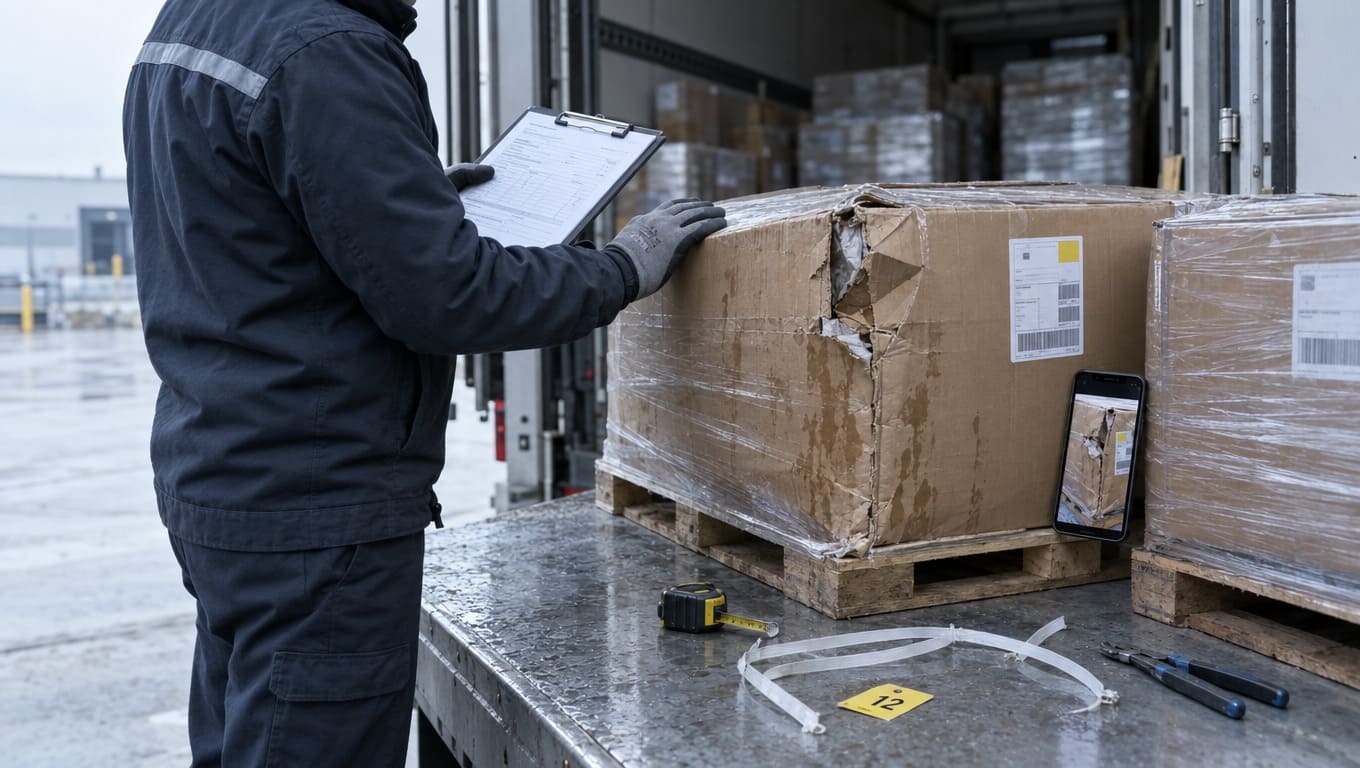
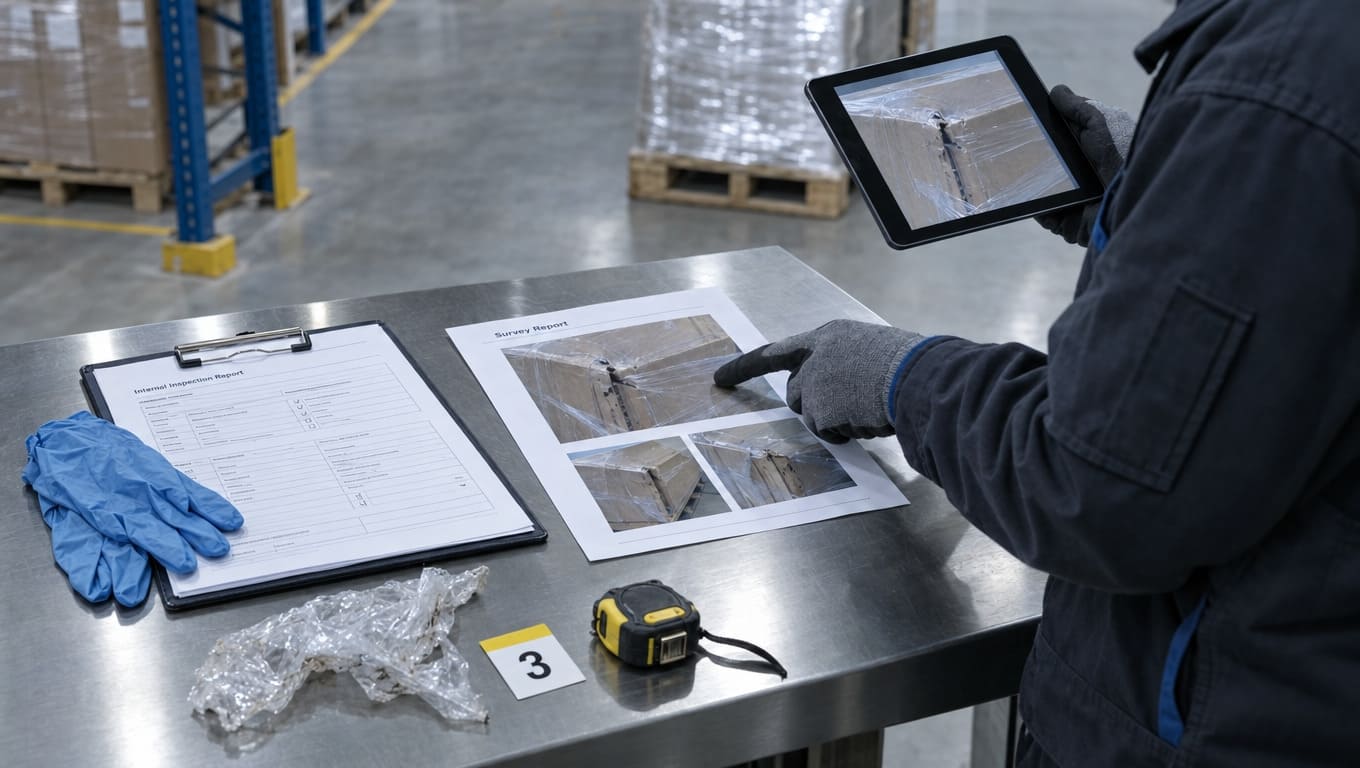
A climate impact survey is not a formal check of storage and transport conditions. It is a professional analysis of factors that can affect the goods while they are outside the manufacturer’s control. This is especially critical for sensitive cargoes:
- Pharmaceuticals and medical products: exceeding the temperature range even for a few hours can lead to a complete loss of stability of the active substance.
- Electronics: condensation during temperature fluctuations impairs functionality, can cause corrosion or short circuits.
- Food products: violations of temperature and humidity regimes accelerate spoilage, lead to loss of presentation, and mold growth.
- Chemical products and reagents: certain substances become unstable or even dangerous when heated.
The microclimate during transport is most often a hidden risk zone. The temperature inside a container can exceed 60°C when standing in the sun. If the packaging is insufficiently insulated, internal degradation begins – film degradation, can bulging, label dampening. Such damages are not always immediately visible, but upon inspection by the recipient, they can become formal grounds for batch rejection.
The problem is that most logistics companies do not record or present objective data on the actual climatic conditions of delivery. Their interpretation of the situation may be biased. This is why an independent survey is not just an “outside view,” but an official source of evidence. It is independent of the conflicting parties and operates with specific indicators, which is critical for insurance claims or complaints.
What a Climate Impact Survey Includes
A professional climate risk survey is a set of actions and tools that determine whether conditions for climatic damage to the cargo were created throughout the logistics chain.
Key parameters checked:
- Actual temperature values and changes over time.
- Relative air humidity.
- Presence of ventilation and air exchange system.
- Insulating properties of packaging and container.
- Traces of precipitation and condensation.
- Condition of packaging material (moisture, deformation, fibrillation).
- Integrity of sealed layers and gaskets.
- Reliability of cargo securing means (e.g., under wind load en route).
Diagnostic methods include:
- Photo documentation of details (especially if there is damage or packaging violations).
- Installation of temperature data loggers and humidity loggers at different levels of the pallet or inside the container.
- Thermal imaging inspection of the container and storage areas – shows overheating zones and poor insulation.
- Local leak testing: thread test, smoke tests, drip methods.
The client receives a detailed inspection report containing:
- Temperature and humidity profile.
- Description of all identified deviations from the norm.
- Photo appendices (with time, coordinates, reference point on the packaging).
- Conclusions on compliance of transport conditions with regulatory requirements.
How to distinguish a real climate survey from a formal inspection? Pay attention to:
- Availability of objective climate data (not just verbal descriptions).
- Risk analysis considering the cargo profile (e.g., permissible storage limits).
- Checking protection of the cargo not only from the external climate but also from the internal atmosphere of the packaging.
Inspections are conducted at potentially vulnerable points:
- Before shipment – to audit packaging readiness.
- At the loading/unloading stage – to record condition and transport conditions.
- En route – using real-time monitoring systems.
If humidity exceeds the standard even for 6–8 hours, especially with cardboard or wooden packaging, hidden damp spots appear. This is why many clients request comparative charts: temperature and humidity inside/outside the hold. This provides an understanding of how effectively the packaging protection and insulation worked.
How to Assess Climate Damage and Prove the Fact of Impact
When cargo arrives in questionable condition – the first thing to establish is whether the damages are related to climatic influence, or their cause is mechanical load, packaging error, or shipment composition. The surveyor starts with an external inspection of the packaging and checks climate triggers.
Visual signs of climate damage:
- Traces of condensation inside the packaging or on its surface.
- Damp rings, stains, softening of packaging material.
- Change in mass of hygroscopic components.
- Color distortion (yellowing, whitening, grayness).
- Characteristic odor of dampness, mold, chemical decomposition.
If a box is swollen – it could be from moisture or impact. The surveyor records the condition of not only the packaging but also the transport conditions: securing, shock absorbers, stowage. The report uses factual photo documentation with signatures, measurements, and explanations of possible causes.
Clear documentation includes:
- Series of photos from different angles and stages of opening.
- Comments from loggers: humidity/temperature charts for a specific time period.
- Batch numbers, dates, and locations of recording.
When damage has occurred – the question of responsibility moves into the legal realm. The survey helps delineate areas of responsibility:
- Storage before shipment – supplier.
- Conditions en route – carrier.
- Intermediate stops – forwarder or warehouse network.
Only a third-party surveyor’s report carries weight as independent evidence in disputes with the carrier or for insurance claims. It serves as the basis for compensation or a full refund of the batch cost.
How to Implement Monitoring of Climate Indicators
To avoid complications after the fact – it is more effective to implement a monitoring system into the regular logistics process in advance.
Common monitoring devices:
- Single-use or reusable temperature data loggers with internal memory and a start button.
- Humidity sensors with alarms when critical thresholds are exceeded.
- “Smart labels” RFID or Bluetooth, transmitting data in real time when entering a coverage area.
- Wi-Fi loggers with remote data transmission and access via a cloud system.
Equipment is selected considering:
- Nature of the cargo (finished products, semi-finished goods, fragile items, etc.).
- Duration and route (sea route, air, domestic logistics).
- Need for real-time tracking or upon completion of transport.
The key point is the integration of data into the surveyor’s reports. This allows for a complete picture: packaging structure, actual temperature curve, zones of overheating or over-humidification. Such logs are especially important when working with summer batches in regions with high solar radiation or humidity.
For different types of cargo, there are approximate limits:
- Medicines – 2–8°C or 15–25°C depending on the class.
- Chocolate – not above 24°C, humidity up to 65.
- Wooden products – humidity up to 60, without temperature fluctuations exceeding 10°C per day.
Even if no damage has occurred – the recorded climate profiles help prepare for the next transportation, optimize packaging, strengthen control, and – most importantly – preempt the problem instead of dealing with the consequences.